






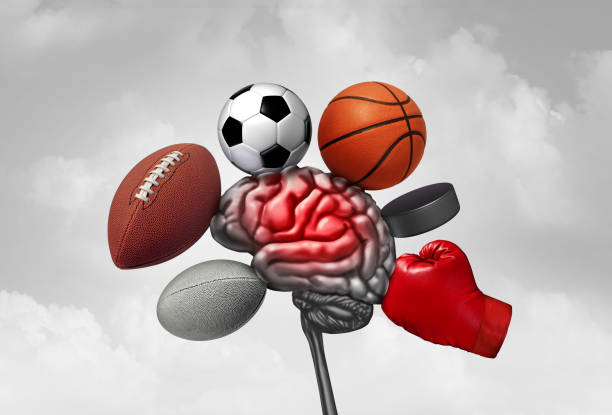

Among 15 to 24 year olds, concussions are the second leading cause of traumatic brain injury, second only to motor vehicle accidents. Studies show that 5.6% of high school football players have suffered a concussion in one point of their football career, while 2% have suffered multiple concussions. While one concussion might not cause lasting harm, the effects are cumulative, meaning each subsequent concussion can lead to larger effects than the first one. Sports where concussions are the most common are football and girls soccer, with head injuries account for 10% of all injuries. These sports are immensely popular and the amount of people playing them will continue to increase. As a result, adaptation is needed in order to prevent concussions.
New technologies have been adapted and become successful in the NFL. Players who wore guardian caps, helmet covers designed to provide extra protection to players, saw a 50% drop in concussions. Concussion systems are not easy to recognize and the majority of concussions occurring outside of sports go undiagnosed. To prevent concussions Blind Brook along with other high schools have invested in better helmet technologies, increased presence of medical personnel at games, and eliminated dangerous plays from the game. New helmets are constantly being invented and concussions have taken a drop since 2010. Advanced medical personnel are required to be on site for high risk events, and certain plays have been changed that have the highest risk for concussions.